Pain is a problem that every believer faces, and few writers have wrestled with it as honestly and intelligently as C.S. Lewis in The Problem of Pain. Originally published in 1940, this classic work explores one of humanity’s oldest and hardest questions: If God is good and powerful, why does He allow suffering? From the first page, Lewis invites readers into a philosophical and theological dialogue that refuses easy answers yet offers profound hope.
As I read this book, I found myself nodding in quiet agreement—and sometimes in conviction. Lewis doesn’t sugarcoat the reality of pain or dismiss it with platitudes. Instead, he exposes the tension between divine goodness and human suffering and then gently guides us toward a faith that doesn’t collapse under the weight of our wounds. My overall impression is that The Problem of Pain is not just a defense of God’s goodness; it’s a roadmap toward deeper trust when the world feels like it’s falling apart.
Understanding Pain Through the Eyes of Faith

Lewis begins by addressing what he calls “the problem of reconciling human suffering with the existence of a God who loves.” He writes, “If God were good, He would wish to make His creatures perfectly happy; and if God were almighty, He would be able to do what He wished. But the creatures are not happy. Therefore God lacks either goodness, or power, or both” (Chapter 2).
That logical dilemma has shaken countless believers through history. But Lewis doesn’t stay there—he dismantles the argument piece by piece. He argues that love, not comfort, is God’s ultimate aim. Because God’s purpose is not to make us happy but to make us holy, pain becomes not punishment, but a tool of sanctification.
“Pain is God’s megaphone to rouse a deaf world” – Lewis, (Chapter 6)
That statement pierced me deeply. I’ve seen in my own life how God used seasons of hardship—health struggles, betrayal, and financial pressure—to get my attention, refine my motives, and draw me closer to His will.
Lewis also challenges our view of divine goodness. We often equate God’s love with human kindness—the desire to remove discomfort. But God’s love, Lewis insists, is more like that of a skilled surgeon than a sentimental parent. The surgeon’s knife may hurt, but it heals.
“No discipline seems pleasant at the time, but painful. Later on, however, it produces a harvest of righteousness and peace.” – Hebrews 12:11 (NIV)
Lewis’s reasoning echoes that truth: a loving God allows pain because He’s shaping eternal souls, not pampering fragile emotions.
Pain, Pride, and the Process of Surrender
Another key theme is the connection between pain and pride. Lewis observes that humans are naturally self-sufficient until suffering strips away our illusions.
“We can rest contentedly in our sins and our stupidities; and anyone who has watched gluttons shoveling down the most exquisite foods as if they did not know what they were eating will admit that we can ignore even pleasure. But pain insists upon being attended to” – Lewis, (Chapter 6)
Reading this, I thought of moments in my own testimony when pain exposed worldly attractions I was reluctant to release. You can read more about that in Remember, Record, Recite: Benefits of Your Testimony. Suffering has a way of clarifying what matters. It can transform a theoretical faith into a living one. That’s why The Problem of Pain isn’t just a book of theology—it’s a mirror for the soul.
Lewis closes his argument by pointing us toward heaven, reminding readers that the story doesn’t end with earthly suffering. “Heaven will solve our problems, but not, I think, by showing us subtle reconciliations between all our apparently contradictory notions. The riddles of life will be found not to be riddles at all” (Chapter 10). That line reminded me that faith isn’t about having all the answers—it’s about trusting the One who does.
Why This Book Still Matters
From a testimony standpoint, The Problem of Pain helps believers remember, record, and recite how God met them in suffering. Lewis’s insights frame pain not as evidence of God’s absence but as proof of His refining presence. It’s a book that encourages us to see our trials as chapters in a much greater story—one that reveals His glory through our endurance.
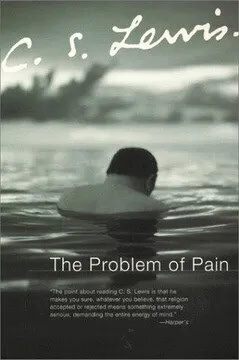
I recommend this book to anyone wrestling with the “why” of suffering—pastors, ministry leaders, and everyday believers alike. It’s ideal for those who have endured loss, faced unanswered prayer, or questioned God’s goodness in the dark. But be warned: this is not a light read. It demands reflection, humility, and prayer.
For me, The Problem of Pain reaffirmed something simple yet profound: God never wastes our wounds. Every hardship can have spiritual benefits, and become holy ground if we allow His Spirit to shape us through it.
Final Reflection
As I closed the book, I realized Lewis wasn’t merely explaining suffering—he was inviting us to redeem it. He turns the problem of pain into an opportunity for deeper worship. In my own life, that means acknowledging that my scars—whether physical, emotional, or spiritual—are part of my testimony. They are reminders of where God met me, healed me, and made me whole again.
In a world desperate to avoid pain, C.S. Lewis helps us see that God uses it to draw us closer to Himself. And that’s the essence of every powerful testimony—pain transformed into praise, suffering turned into story.
A must-read for Christians seeking to understand how suffering fits within the goodness of God. Thoughtful, challenging, and deeply encouraging, it equips believers to endure trials with faith and purpose.